Overview: The Domain, the Meaning, and the Mission
The domain name 800bunkbed.com invites a set of possible meanings that blend literal, numerical, and historical signals. In a literal sense, it conjures bunk beds in substantial quantity—perhaps a hub for hostels, dormitories, camps, or student housing. But the mixture of “800” with “bunkbed” also signals a branding tactic: a memorable prefix that could imply a model line, a customer-service vibe (think 800 numbers), or a gateway to a catalog-like resource. The site, as envisioned in the summary, orients toward shared-sleep space design, safety standards, and practical guides that help operators and households optimize small spaces without sacrificing comfort or well-being.
From a strategic standpoint, three directions emerge clearly. Direction A positions the site as an informational resource on bunk beds and space design, with safety guidelines, assembly tips, and buying criteria. Direction B would elevate the discourse to design ergonomics and furniture theory, appealing to students, designers, and architects seeking in-depth exploration. Direction C would mine historical and social context—dormitories, military barracks, humanitarian camps, and the evolution of sleeping arrangements through time. The recommended path, Direction A, anchors the site as a trustworthy, evergreen reference with practical returns for a broad audience—dorm operators, parents, DIY enthusiasts, and facilities planners alike.
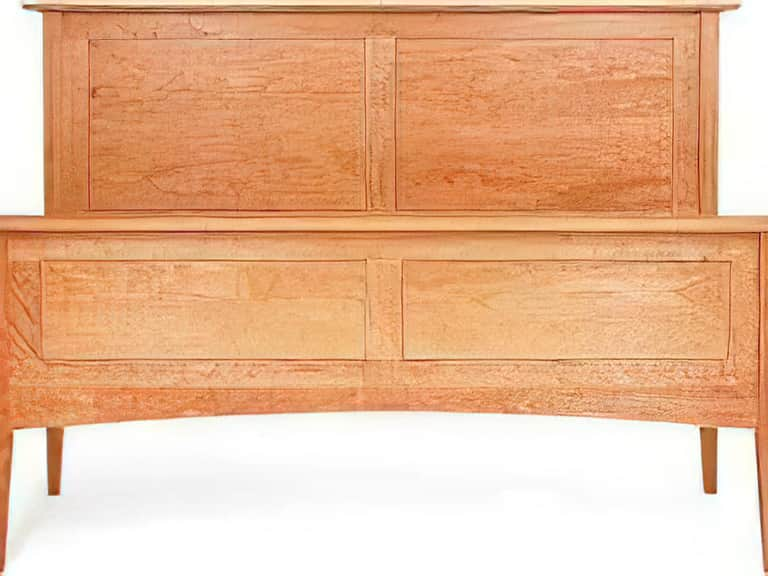
A tangible starting point is the inclusion of a curated product, such as the Maple Corner Woodworks Canterbury Shaker Panel Bed, to ground readers in tactile detail while showcasing craftsmanship, material ethics, and durability. The bed exemplifies how a product narrative can carry safety-conscious storytelling into broader discussions about space, form, and the role of well-made furniture in everyday life.
Content Strategy: How to Build an Editorial Home for 800bunkbed
To realize a robust informational resource, the site should weave evergreen guides, practical checklists, and printable templates with thoughtful, editorial storytelling. A cornerstone guide could be “The Complete Guide to Bunk Beds: Safety, Design, and Space-Saving Tips,” complemented by a glossary, a recurring “Bunk Bed Safety Minute” series, and downloadable room-planning templates that help planners size rooms, plan mattress dimensions, and organize storage without clutter.
SEO considerations matter: target phrases such as “bunk bed safety,” “how to assemble bunk beds,” “space-saving bunk bed ideas,” and “dorm bunk bed design.” Internal linking should connect assembly guides with safety standards, and safety content should cite credible sources like CSA/ASTM/BS standards where applicable. This builds credibility and trust, a quiet but essential revenue of information-first sites.
Branding should echo clarity, practicality, and trust. A possible naming strategy could be “800 Bunk Bed: Your Complete Sleeping-Space Guide,” with a clean grid-based aesthetic that emphasizes icons for safety, assembly steps, and space tips. The house style should favor plain language, crisp diagrams, and neutral tones that read as both authoritative and approachable.
The article invokes three pivotal voices from different eras, each offering a lens on how people slept, organized space, and thought about safety in communal settings.
Maria, the Child of the 19th Century: Private Nurture in Public Space
In the era of crowded urban tenements, the concept of sleeping together in shared rooms was a practical solution to a deficit of space and privacy. Maria’s world—where family beds mingled with the rhythms of street life—invites us to consider how bunk beds historically enabled upward mobility in cramped city dwellings. The design question remains: how can a bunk frame deliver safety, stability, and accessibility without sacrificing dignity in a public or semi-public setting?
Thomas, the Engineer of the Interwar Years: Precision, Materials, and the Race to Safer Sleep
In the early to mid-20th century, bunk bed design became a playground for engineering rigor. Builders debated slat spacing, guardrails, weight capacity, and the geometry of ladders—even the choice of wood species—because a misstep could invite harm in a dormitory or barracks. Thomas’s voice reminds us that safety standards, tested materials, and a respect for human weight and movement are non-negotiable in shared-sleep environments.
Aisha, the Contemporary Designer: Space, Ergonomics, and the Ethics of Home-Scale Boldness
Today’s readers understand bunk beds as more than furniture; they are a language of space-saving ethics and gender-neutral design. Aisha embodies a modern brief: how to craft bunk beds that honor ergonomics, accessibility, and sustainability while remaining aesthetically flexible enough to fit diverse interiors—from student residences to chic urban micro-apartments. Her perspective foregrounds inclusive design and the potential of bunk beds to scale down both footprint and waste.
A Featured Product: Maple Corner Woodworks Canterbury Shaker Panel Bed
As a tactile anchor for the discussion, the Maple Corner Woodworks Canterbury Shaker Panel Bed offers a vivid example of how a bed can be both an heirloom and a precise piece of engineering. Handcrafted in Vermont from natural hardwoods, it is available in cherry, maple, or walnut, finished with a natural hand-rubbed non-VOC finish. The bed embodies a modern Shaker sensibility—clean lines, tapered corner posts, and a robust platform that foregoes a box spring. The subtle engineering inside its ten wide slats, drop-in hardware, and center-reinforced support for larger sizes reveals an enduring commitment to safety, stability, and long-term usability.
Key features to note include:
- Platform design that eliminates the need for a box spring
- Center-reinforced support for King and Cal King sizes
- Heavy-duty cast hangers ensuring a secure rail connection
- Zero-VOC finish and eco-friendly materials
Maple Corner Woodworks Canterbury Shaker Panel Bed
Price: 4284.00 USD
Dimensions (approximate): Twin to Cal King configurations, platform-ready, with practical weight capacity. A contemporary Shaker silhouette that respects tradition while embracing modern materials and finishes.
Product Spotlight Maple Corner Woodworks demonstrates how craft and safety converge in a single, beautiful frame.
Note: The Canterbury Shaker Panel Bed is featured here to illustrate how a product narrative can anchor an editorial about shared sleeping spaces, while everything in this article stresses safety, space optimization, and durable design.