Choosing the Right Organic Mattress for Dormitories and Shared Spaces
A practical guide to selecting organic mattresses suitable for dorms, hostels, and shared sleeping spaces. We explore materials, durability, safety standards, and comfort considerations to optimize sleep quality in high-occupancy environments. Drawing on decades of design thinking and the lived realities of shared rooms, this piece blends technical insight with a human, storytelling approach to a subject that governs not only rest but the rhythm of communal life.
A Contextual Prelude: Why Organic Mattresses in Shared Spaces Matter
Dormitories, hostels, and other high-occupancy sleeping environments are laboratories of daily living. The choices made in these rooms—how a bed feels, how clean the air is, how quiet the space remains—shape a collective experience of rest. Organic mattresses enter this equation as more than a material preference; they are commitments to indoor air quality, durable performance under heavy use, and thoughtful design that respects evolving standards of safety and comfort.
The notion of “organic” in a dormitory context signals two interwoven promises: first, a concern for occupants’ health, embodied in materials free from synthetic pesticides and volatile emissions; second, a dedication to longevity, because dorms demand resilience and a slow burn in maintenance costs. In the pages that follow, we unpack how these considerations translate into concrete purchasing criteria, how to read claims from brands, and how to balance safety with sleep quality.
Materials That Matter: What Constitutes an Organic Mattress
The core of an organic mattress is not merely the word “organic” as a marketing label. It is a tapestry of components—cover fabrics, foams, latex, spring systems, and the glue or stitching—that must work in concert without releasing irritants or allergens into shared sleeping spaces.
Organic cotton or wool covers, natural latex, and plant-based cushioning are common pillars. Yet just as important as the surface experience is the building of a mattress that can endure repeated disassembly and reassembly in dormitory settings, transport between rooms, and replacement cycles that align with institutional procurement.
- Materials: Look for certifications such as GOTS (Global Organic Textile Standard) for textiles, GOLS (Global Organic Latex Standard) for latex, and Global Organic Textile Standard for the cover fabrics where applicable.
- Emissions: Seek low-VOC materials and third-party air-quality testing documentation. Indoor air quality matters as much as comfort.
- Durability: High-density core constructions and reinforced edge support improve longevity under heavy, daily use.
- Allergen considerations: Hypoallergenic fabrics and tightly woven covers reduce dust-mite accumulation in shared spaces.
Durability and Longevity in High-Occupancy Environments
Durability is not a luxury; it is a necessity when beds endure the pace of dorm life. A durable mattress holds its shape, resists sagging, and maintains comfort across countless nights. The best models distribute weight evenly, minimize motion transfer between bunk-mates, and resist moisture and microbial growth in shared rooms.
In practical terms, durability translates into warranty terms, material density, and construction quality. A well-built organic mattress should be capable of sustaining high-occupancy use for several years, with options for rotation and position variations that prevent uneven wear.
Safety Standards and Compliance: A Quick Checklist
Among the most critical aspects of choosing organic mattresses for dormitories are safety certifications and clear labeling. Facilities managers benefit from a structured checklist that allows for apples-to-apples comparison across brands and products.
- Certifications: Look for organic certifications (GOTS, GOLS), though not all components may carry the same label. Verify what is certified and by whom.
- Fire safety: Ensure compliance with local fire-retardant standards and any applicable bedding regulations without compromising organic integrity.
- Certainty of claims: Require independent testing results or third-party verification for emissions and durability.
- Warranty and service: A robust warranty that covers structural integrity, fabric wear, and potential manufacturing defects is essential for dorm settings.
Brand Case Studies: Naturepedic and Malouf in Focus
The landscape of organic mattresses features brands that have built reputations around safety, transparency, and design. Naturepedic and Malouf are two names frequently cited in institutions seeking balance between organic materials and modern comfort. Their lines demonstrate how organic principles can align with durable, high-performance sleep systems.
Naturepedic’s approach often emphasizes a hardware-and-textile integration that minimizes chemical exposure, while Malouf frequently integrates smart design choices that enhance adjustability and comfort without sacrificing organic ideals. When evaluating, facilities managers should consider the full value proposition: material safety, comfort, longevity, and the ability to integrate into existing bunk-bed configurations where space is at a premium.
Space Planning for Shared Sleeping Spaces
In hostels, dormitories, and care facilities, mattress selection is inseparable from the room’s layout. Space planning isn't simply about packing as many beds as possible; it's about creating a humane, functional sleeping environment. Organic mattresses contribute to this by offering body-conforming comfort that reduces the need for bulky toppers or heavily layered bedding materials, thus saving space and simplifying logistics.
A well-chosen mattress can improve acoustics (less restless movement translates to quieter nights) and air quality, particularly if paired with breathable covers and natural padding materials. In bunk bed configurations, a compact, durable organic mattress helps maximize vertical space, enabling more ergonomic guardrails, stable ladder access, and safer, more comfortable upper bunks.
Case Studies: Real-World Implementations
Imagine a university housing department evaluating two dormitory wings, each with 200 beds. Wing A adopts a compact organic mattress with a medium firmness, a breathable cover, and a 10-year warranty. Wing B tests a similar model but adds a plan for rotating mattresses every two years and a carbon-neutral logistics approach for restocking. Over time, Wing A reports fewer complaints about heat retention and allergen sensitivity, while Wing B highlights longer-term cost efficiency through predictable replacement cycles.
These imagined scenarios underscore a simple truth: sustainable, well-chosen organic mattresses can become a cornerstone of a dormitory's health, comfort, and financial planning. The decision is not merely a product pick; it is a governance choice—a decision about what kind of sleep a community deserves.
A Practical Resource List for Facilities Managers
To support informed decisions, here is a compact resource-oriented guide:
- Product evaluation templates: a checklist that captures material claims, certifications, and warranty terms.
- Reading room for standards: a quick-reference guide to CSA/ASTM/BS safety guidelines and how they relate to bunk-bed contexts.
- Printable room-planning templates: grid layouts that help visualize bunk configurations and mattress footprint.
- Maintenance calendar: a schedule for rotation, inspection, and deep-clean cycles to extend mattress life.
Product Spotlight: Vergennes Platform Bed and a Related Organic Mattress Pairing
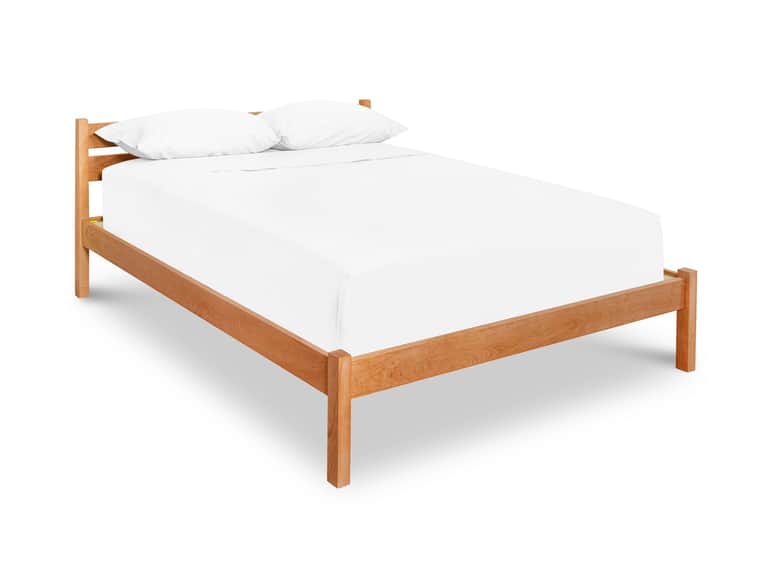
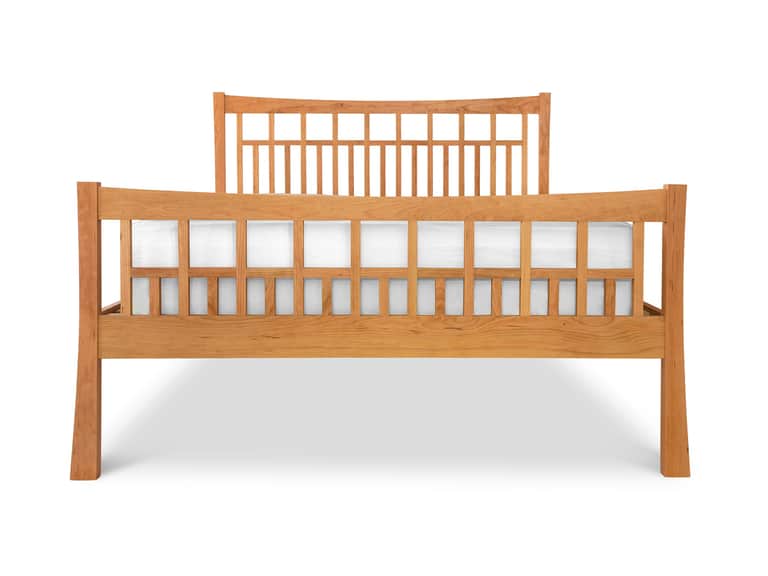
The Vergennes Platform Bed, handmade in Vermont from solid Cherry, Maple, or Walnut, offers a sturdy, natural foundation that supports a carefully chosen organic mattress. Its platform construction allows for a low-profile, sturdy base that can be paired with breathable, organic mattresses to maximize under-bed storage space and ease of cleaning. The hand-rubbed oil finish highlights the grain and provides a surface that ages gracefully, echoing the enduring philosophy of dormitory design where we expect furniture to perform across generations.
When selecting a matching organic mattress, consider a core that balances support with pressure relief, particularly for stacked bunks where movement can be amplified by shared air and limited space. A medium-firm profile often satisfies a broad range of sleepers, ensuring comfort for extended study hours and night-before-exams sleep alike.
Vergennes Platform Bed (Wood Choice: Cherry / Maple / Walnut)
Solid hardwood platform bed | Natural oil finish
A durable bed frame designed to endure dorm-life and heavy daily use, with a refined presence that ages gracefully alongside organic mattresses.
Recommended Organic Mattress Pairing
Medium-firm, low-VOC, breathable cover
Consider pairing with an organic mattress that emphasizes low emissions, durable core, and resilient edge support to complement the solid wood platform. Ensure the dimensions align with the bed’s footprint, and verify care guidelines to maintain the wood finish and fabric over time.
Original product highlights
Vergennes Platform Bed: handmade to order in Vermont, solid wood, natural oil finish, durable foundation, generations-long stability.
Material and finish notes
Solid hardwoods with eco-friendly oil finish; designed for longevity and a tactile, natural feel that pairs well with organic textiles and breathable bedding.
Three Key Individuals Across Time: A Thread Through Sleep, Design, and Shared Space
The subject of organic mattresses in dormitories is not merely technical; it intersects with human stories across eras. Three figures, separated by decades, illuminate a throughline of care, craft, and the evolving sense of communal sleeping spaces.
1) Jane Goodall (Mid-20th Century–Present): Ethnography of Rest
While not a mattress designer, Goodall’s inquiries into living habitats and the way creatures sleep illuminate the idea that sleep is inseparable from environment. In dormitory terms, the implication is clear: bedding must harmonize with the room’s climate, airflow, and social dynamics—factors that determine sleep quality for many simultaneous sleepers.
2) William Morris (19th Century): Craft, Material Integrity, and Everyday Beauty
Morris championed craftsmanship and honest materials. His sensibility nudges us to value furniture as a lasting artifact. In the context of bunk rooms and shared spaces, this translates to choosing beds and mattresses that not only function well but also elevate the room’s design through sustainable, enduring materials.
3) A Contemporary Dormitory Facilities Manager (2020s–Present): Systems Thinking in Sleep
The modern facilities manager negotiates procurement, health standards, and cost efficiency. The choices around organic mattresses in high-occupancy spaces reflect a systems approach: material safety, logistics, cleaning protocols, and the room’s acoustic and climate realities all influence the ultimate comfort of the sleepers.
Glossary of Key Terms
- GOTS: Global Organic Textile Standard, a leading certification for organic textiles.
- GOLS: Global Organic Latex Standard, certifying organic latex products.
- VOC: Volatile Organic Compounds, emissions that can affect indoor air quality.
- Edge support: The edge stability of a mattress, important for seating on the edge and durability.
- Hypoallergenic: Materials designed to minimize the likelihood of an allergic reaction.
Final Thoughts: The Quiet Art of Selecting Bedding for Shared Spaces
In the end, choosing an organic mattress for dormitories and shared spaces is less about a single star product and more about a philosophy: a commitment to health, to long-term value, and to the dignity of a good night’s sleep for many. The bed frames—whether a Vergennes Platform Bed or another solid-wood base—are the stage, but the mattress is the actor that must perform night after night, quietly, reliably, and with respect for the people who lie upon it.
If you are a facilities manager, a procurement officer, or a parent orchestrating shared sleeping spaces, consider how your choices resonate with the rhythms of daily life: the discipline of rotation schedules, the transparency of claims, and the warmth of a room that feels safe, breathable, and restful. The right organic mattress is an invitation to rest, a small but significant act of care for a community that deserves to dream well.
A Final Nudge: Sample Product Details
Vergennes Platform Bed
Solid wood | Handcrafted to order
A durable foundation designed to last for generations, offering a refined presence in a shared-bedroom aesthetic.
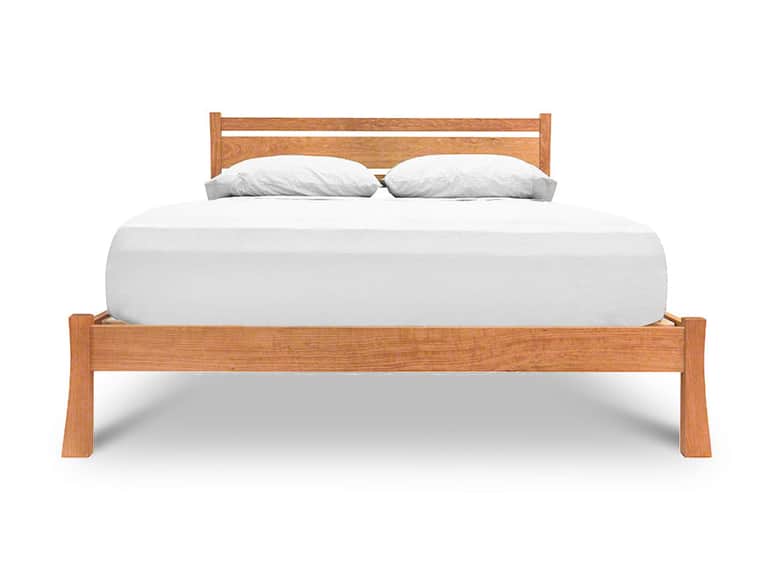
Horizon Platform Bed
Solid wood with eco-friendly oil finish
A clean, timeless profile that pairs well with breathable organic mattresses for shared spaces.