Matrasses are foundational sleep surfaces designed to support varied sleeping positions, body weights, and temperature preferences. This category highlights key materials, firmness options, and construction features that influence contouring, pressure relief, and spinal alignment. Understanding differences among memory foam, latex, and hybrid designs helps readers select a surface that promotes restful, uninterrupted sleep across seasons and environments.
Organic and natural certifications often indicate reduced exposure to synthetic additives and improved durability. Readers will encounter mattresses with organic cotton covers, wool blends, or natural latex, emphasizing breathability, hypoallergenic properties, and long-term comfort. These attributes contribute to healthier sleep experiences while aligning with eco-conscious choices in bedroom furniture and daily routines.
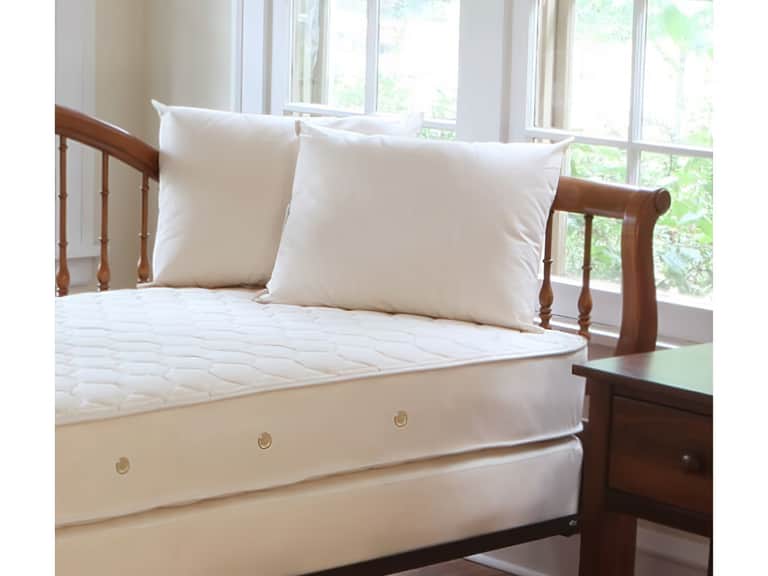
Among notable products, the Naturepedic 2 in 1 Organic Cotton Kids Mattress demonstrates versatile functionality with dual firmness zones suitable for growing children and guests. Its organic cotton construction, low-VOC materials, and responsive support layer illustrate how design choices affect safety, durability, and daytime restfulness, particularly in compact or shared sleeping arrangements.
Key features to evaluate include zoning, edge support, and moisture management. Platform bed frames and daybeds often complement mattresses by reducing noise, enhancing stability, and improving airflow beneath the sleeping surface. Adjustable beds and modular furniture configurations further expand usability for back pain, mobility needs, or multi-purpose rooms.
Understanding mattress types and compatibility with bed frames, foundations, and room layouts helps users optimize comfort and longevity. This category connects information about firmness scales, material science, and care guidelines for organic and synthetic components, ensuring readers can make informed decisions that support healthy sleep habits and bedroom ergonomics.
 Mattresses